
How long do I need to rest after male boob reduction?
rest after male boob reduction
One of the most common concerns men have before undergoing male boob reduction is how long they will need to rest afterward. Recovery time is an important factor when planning surgery, especially for those with work, family, and social commitments. While the exact healing timeline varies from person to person, understanding what to expect can help you prepare properly and ensure a smooth recovery process.
Immediately after male boob reduction, patients typically experience swelling, mild bruising, and some discomfort in the chest area. These symptoms are normal and usually most noticeable during the first few days. Most surgeons recommend taking at least a few days completely off from work and daily responsibilities to allow the body to begin healing. During this initial phase, rest is crucial, and patients are encouraged to limit upper body movement and avoid lifting anything heavy.
For individuals with desk jobs or light duties, many are able to return to work within about five to seven days after male boob reduction. However, this depends on how comfortable they feel and how physically demanding their job is. Those whose work involves manual labor, heavy lifting, or strenuous physical activity may need to take two to three weeks off to prevent strain on the chest muscles and surgical site. Pushing the body too soon can increase swelling, delay healing, or even lead to complications.
Wearing a compression garment is a standard part of recovery after male boob reduction. This garment helps control swelling, supports the newly contoured chest, and promotes proper skin retraction. Patients are usually instructed to wear it continuously for several weeks, removing it only for showering as advised by their surgeon. While wearing the garment may feel slightly restrictive at first, it plays an essential role in achieving optimal results.
How long do I need to rest after male boob reduction?
Light walking is often encouraged within a day or two after male boob reduction to promote healthy blood circulation and reduce the risk of blood clots. However, any intense physical activity should be avoided during the early stages of healing. Most surgeons recommend refraining from chest workouts, heavy lifting, or vigorous exercise for at least four to six weeks. The chest muscles need sufficient time to recover, and stressing them too early can interfere with the final outcome.
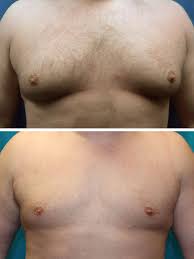
Swelling gradually subsides over several weeks, but subtle residual swelling may persist for a few months. While patients often see noticeable improvement in chest contour within the first few weeks after male boob reduction, final results become more apparent as the body fully heals. Patience is important during this period, as the body continues adjusting internally even when external healing appears complete.
Sleep and overall lifestyle habits also affect how long you need to rest. Getting adequate sleep, maintaining a healthy diet, and staying hydrated can speed up recovery. Avoiding smoking and alcohol during the healing period is strongly recommended, as these can impair circulation and slow tissue repair. Following all post-operative instructions carefully significantly reduces recovery time and helps prevent complications.
Pain levels after male boob reduction are typically manageable with prescribed or over-the-counter medications. Most patients describe the discomfort as soreness or tightness rather than severe pain. As each day passes, comfort levels improve, allowing a gradual return to normal activities. It is important to listen to your body and avoid comparing your recovery timeline to someone else’s, as healing varies individually.
In general, most men can resume normal daily routines within one to two weeks after male boob reduction, while full return to intense physical activity may take about four to six weeks. Complete healing and final results can take a few months to fully develop. By allowing adequate rest, following medical guidance, and gradually easing back into activity, patients can ensure a safe recovery and long-lasting, satisfying results.